A high price tag is not evidence of quality. That is the central lesson of slow fashion for anyone building a wardrobe of lasting pieces: some luxury brands genuinely practice sustainable craftsmanship, while others, as one slow fashion guide puts it, "use the price point to obscure questionable practices." The reliable alternative is to judge each garment against four verifiable pillars—material and provenance, construction and craftsmanship, design and timelessness, and brand ethics and transparency—before committing to it.
This article translates the movement's philosophy into a point-of-purchase framework. It does not recommend brands; it gives you the criteria to evaluate any brand, including the ones already hanging in your closet's wishlist.
Understanding Slow Fashion: Beyond Trends
Slow fashion is, at its essence, about quality over quantity. Research cited in the International Journal of Consumer Studies describes a shift in consumer mindset away from purchasing numerous cheap items toward investing in fewer, more durable pieces. The approach prioritizes sustainable materials and production methods, supports fair labor practices, and creates clothing designed to last multiple seasons.
The term is used, as the movement's own definition has it, to "identify sustainable fashion solutions, based on the repositioning of strategies of design, production, consumption, use, and reuse," emerging alongside—and challenging—the global fast fashion system. Writing on artisanal "art to wear" fashion, designer Megan Lagueruela frames it as "a rejection of mass production and a return to the roots of fashion, where each piece is made with intention and skill."
Crucially for the luxury shopper, slow fashion is not a sacrifice of style. Sup de Luxe, a fashion education institution, notes that ethical fashion is redefining the codes of luxury by reviving values of authenticity, respect, and transparency—suggesting the two ideas are converging rather than competing.
The Personal and Economic Rewards of Intentional Wardrobe Building
The case for slow fashion is usually made environmentally, but the personal and financial arguments are just as strong. Consumers who adopt the approach gain greater control over their choices, investing in pieces that genuinely reflect their personal style and values rather than whatever a seasonal campaign insists they need.
The documented benefits include a more curated, versatile wardrobe, reduced long-term clothing expenditure, a distinctive personal aesthetic, and fewer impulse purchases. The economics work through durability: a garment worn for years costs less per wear than a cheaper garment discarded after one season.
There is also a practical structural benefit. The CRAFT IT 4SD project, a European craft-and-sustainability initiative, recommends building a capsule collection of essential, combinable items in timeless designs and durable materials—observing that "a collection not tied to trends never goes out of style." A smaller, cohesive wardrobe is easier to use and takes up less space, which is itself a quiet luxury.
The Slow Fashion Investment Framework: Four Pillars of Evaluation
Price answers only one question: what a brand believes the market will pay. It cannot tell you whether a garment will hold its shape, survive repair, remain wearable in five years, or have been made under conditions you would endorse. The four pillars below separate those questions. Apply them to any candidate purchase—a coat, a handbag, a pair of boots—and let the garment's intrinsic qualities, not its label, make the case.
Pillar 1: Material & Provenance
The first question is what the garment is made of and where that material came from. Slow fashion prioritizes durable, high-quality, consciously sourced materials, chosen for longevity, reduced environmental impact, and responsible origins. This is a principle, not a fixed list: rather than memorizing an approved set of fabrics, ask whether the material is sturdy enough for the garment's intended life, and whether the brand can say where it was grown or produced.
Traceability is the practical test. As the ECONYL blog explains in its guide to fashion certifications, credible material standards imply "a certain level of transparency, as companies must know exactly where their raw materials have come from." A brand that cannot answer a provenance question has failed the first pillar, whatever the price.
Pillar 2: Construction & Craftsmanship
The second pillar concerns how the garment was made. Slow fashion's artisanal wing emphasizes the dedication and skill behind each piece—garments made with intention rather than rushed through a factory line. Quality construction is what delivers durability, repairability, and aesthetic integrity over years of wear.
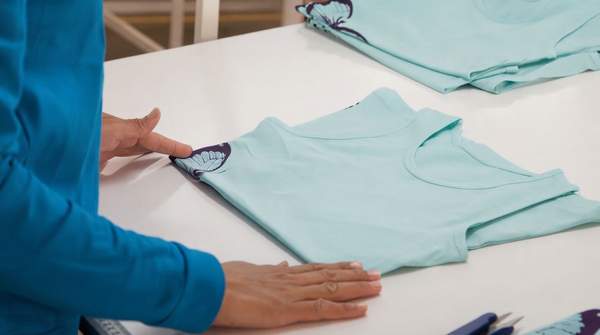
Fast fashion's economics explain what to avoid. Writing for STPL, Alexander Schimmel notes that in the fast model, less time is spent on design and quality control, and outdated machinery leads to worse-quality garments. At the point of purchase, look for the physical evidence of care: even stitching, finished seams, substantial linings, and details that suggest a human checked the work. A well-constructed garment should look assembled, not extruded.
Pillar 3: Design & Timelessness
The third pillar asks whether you will still want to wear the piece in five years. The movement's guidance is consistent: choose versatile, classic designs that transcend fleeting trends, because timeless pieces integrate into a cohesive, long-lasting wardrobe and express personal style rather than a moment's mood.
Timelessness is also a versatility test. A garment earns its cost-per-wear only if it combines with what you already own and suits contexts you actually inhabit. The capsule-wardrobe approach makes this concrete: before buying, mentally style the piece with at least three existing items. If it only works as a single outfit, its effective cost per wear is far higher than its price suggests—no matter how well it is made.
Pillar 4: Brand Ethics & Transparency
The final pillar evaluates the company behind the garment. Slow fashion emphasizes supply-chain transparency: brands practicing it are typically willing to disclose their manufacturing processes, labor conditions, material sourcing, and environmental practices. That disclosure is what allows consumers to make informed decisions aligned with their values.
Because claims are cheap, look for verifiable third-party certifications rather than marketing language. A few established examples illustrate what different seals actually verify:
| Certification | What it signals |
|---|---|
| Bluesign | Controls chemicals and fabrics at the beginning of the textile chain for resource-efficient, safe production for consumers and workers; the bluesign PRODUCT label requires at least 90% of textiles and 30% of accessories to be bluesign APPROVED |
| Cotton Made in Africa (CmiA) | Social, environmental, and economic criteria designed to improve living conditions of African smallholder farmers and promote environmentally friendly cotton production |
| SANE Standard | A holistic program assessing product composition, material production, and manufacturing processes with respect for the environment, workers' rights, and consumer health |
| World Fair Trade Organization (WFTO) | Verifies that member companies—more than 400 fair trade organizations—are guided by the ten principles of fair trade, improving producers' living and working conditions |
No single seal covers everything; as SustainYourStyle's certification guide by Mathilde Charpail notes, the right one depends on whether you prioritize organic materials, fair labor, or other specific goals. The absence of any certification, combined with vague sustainability language, is a warning sign.
Your Slow Fashion Investment Checklist
Use this matrix at the point of purchase—physically, in the store, or with the product page open. Work through each pillar in order and answer the questions before checking the price. The output is a clear assessment of whether the garment is a worthwhile long-term investment, based on intrinsic quality and longevity rather than trend or brand hype.
| Pillar | Slow fashion principle | What to check before buying |
|---|---|---|
| Material & Provenance | Durable, high-quality, consciously sourced materials chosen for longevity and responsible origins | Does the fabric feel sturdy for its intended use? Can the brand state where the material came from? |
| Construction & Craftsmanship | Skilled artistry and robust manufacturing that ensure durability, repairability, and aesthetic integrity | Inspect stitching, seams, and finishing. Does the garment look made with intention, or rushed? |
| Design & Timelessness | Versatile, classic design that transcends trends and reflects personal style | Would you wear this in five years? Can you style it with at least three pieces you already own? |
| Brand Ethics & Transparency | Ethical labor, fair practices, and disclosed supply chains, verified where possible by certifications | Does the brand disclose manufacturing and labor conditions? Does it hold a credible third-party certification? |
A garment that passes all four pillars is a genuine investment piece. One that passes on price and brand recognition alone is merely expensive. A mixed scorecard is common—excellent construction from an opaque brand, say—and the framework lets you weigh that trade-off consciously rather than defaulting to the label.
Making the Intentional Choice: Your Next Steps
Prioritize purchases that align with the four pillars of the slow fashion investment framework: Material & Provenance, Construction & Craftsmanship, Design & Timelessness, and Brand Ethics & Transparency. The initial investment may be higher, but the value is realized over time through durability, versatility, and thoughtful consumption.
The measurable indicator of success is a wardrobe composed of fewer, higher-quality, versatile pieces that reflect your personal style and values—leading to a reduced frequency of clothing purchases and increased satisfaction with the garments you already own. Watch that number: if you find yourself buying less often and reaching for the same well-made pieces repeatedly, the framework is working, and each of those pieces is quietly lowering its cost per wear.
Sources
- What is Slow Fashion? Understanding Its Meaning and Impact — DressMeUpNY
- Slow fashion - Wikipedia — EN
- Elevating Style: Embracing Slow Fashion in Art to Wear — Megan-Ilene
- Understanding Slow Fashion: Toward Ethical and Sustainable Style — Sup de Luxe
- LET’S FOCUS ON THE SLOW FASHION MOVEMENT: EMBRACING THE 5 R’S OF SUSTAINABILITY - CRAFT IT 4SD
- 8 Certifications and Standards to Know When Shopping Sustainable Fashion — ECONYL® by Aquafil
- Six Principles Of A Slow Fashion Lifestyle — STPL
- Navigating Fashion and Textile Certifications: Which One to Choose? — SustainYourStyle