The fashion industry’s supposed 'war on perfection' is far more than a fleeting marketing ploy or a seasonal aesthetic; it signifies a genuine and profound shift in our collective relationship with style, driven by a deep-seated fatigue with the flawless and a yearning for the real. While cynicism is a well-earned reflex when observing an industry built on cyclical trends, the current movement toward authenticity appears to be a structural realignment, one demanded by consumers and reluctantly adopted by brands. This is not merely a new look, but a new logic, where the story behind a garment holds as much weight as its silhouette.
The stakes of this conversation are higher than they might appear. For years, the dominant cultural currency has been a kind of hyper-polished, digitally-mediated perfection, an aesthetic that has felt increasingly hollow and unattainable. The uniformity of social media feeds, where identical poses and algorithm-approved handbags create a visual echo chamber, has fostered a quiet rebellion. As noted in a report by Daily Sabah, people have simply grown tired of striving to look like “polished dolls.” This exhaustion coincides with a growing awareness of the relentless churn of fast fashion, which, as observed by Whoopsee.it, feels "increasingly disposable, disconnected from real life, and driven by hype." The question of whether the fashion industry's authenticity is a genuine shift or a trend is therefore a question about the future of value itself: will we continue to chase ephemeral images, or will we invest in tangible, meaningful substance?
What is the 'war on perfection' in fashion?
At its core, the 'war on perfection' is a rejection of the pristine, untouchable ideal that has long defined high fashion. It is an embrace of the beautifully imperfect, the lived-in, and the deeply personal. This is not a movement that began on the runway, but on the street and in the vintage shops, where a new generation is rewriting the rules of style. According to Daily Sabah, younger consumers, many not yet in their mid-30s, have increasingly turned to second-hand fashion as a direct reaction against the pressure to appear perfect. This is not just about sustainability; it is an aesthetic choice, a deliberate step away from the mass-produced and toward the singular.
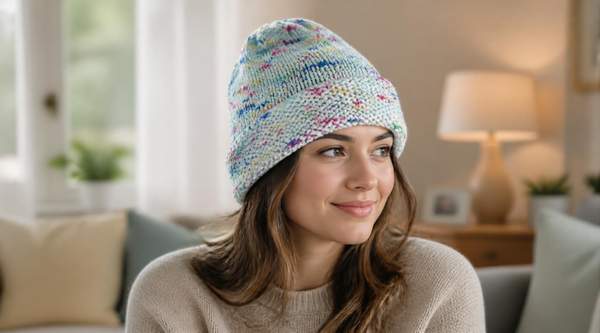
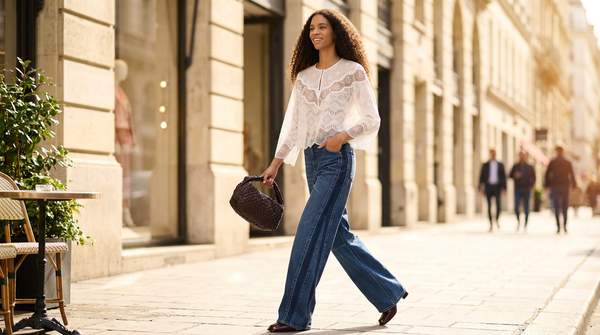
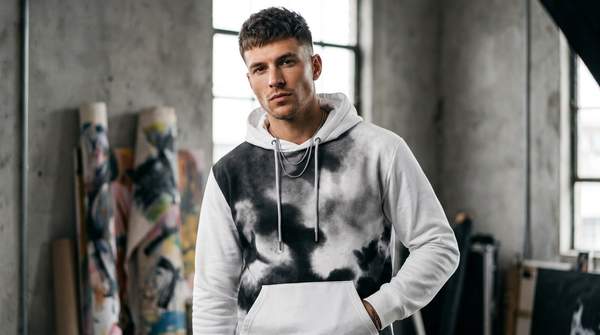
The industry, in turn, has begun to listen. The recent collections have unfolded as a quiet acknowledgment of this new reality. We are seeing a deliberate introduction of 'imperfect,' 'ordinary,' and 'everyday' elements into high-fashion discourse. A wrinkled linen shirt is no longer a sign of carelessness but of a day well-lived. A slipping strap or a mismatched accessory whispers of spontaneity rather than sloppiness. These are not flaws; they are expressions of authenticity, a visual language that communicates a life beyond the curated frame. The fashion world, once a purveyor of fantasy, is now welcoming reality, finding inspiration in the very women it seeks to dress. This shift represents a move away from prescriptive ideals and toward a more descriptive, observational approach to style.