How to Curate Personal Style and Build a Wardrobe That Lasts

Knowing what you like means you’re also knowing what you don’t like, so it’s probable you’ll buy fewer items that fast track to the landfill, according to Myindyx .

AC
Adrianne Cole

April 19, 2026 · 6 min read

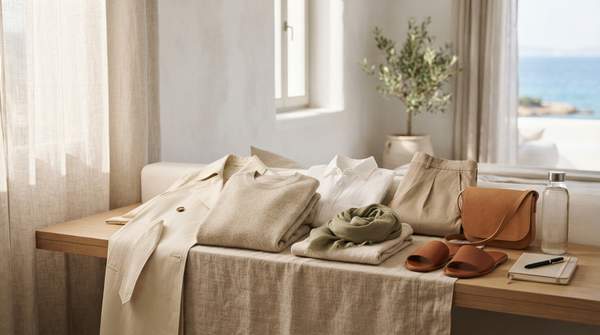
A person carefully arranging a minimalist and timeless wardrobe, emphasizing quality fabrics and enduring style in a sunlit room.

Knowing what you like means you’re also knowing what you don’t like, so it’s probable you’ll buy fewer items that fast track to the landfill, according to Myindyx. This pre-emptive discernment can reduce the vast quantities of clothing discarded annually, a significant contributor to global waste. Individuals who understand their preferences avoid accumulating garments destined for early obsolescence, thereby lessening their environmental impact.

Personal style is often seen as a superficial pursuit of aesthetics, but it is actually a profound process of self-discovery that leads to tangible environmental benefits.

Embracing a deeper understanding of personal style appears likely to shift consumer behavior towards more mindful and sustainable wardrobe choices, benefiting both individuals and the planet. This approach empowers consumers to curate personal style and build a versatile wardrobe in 2026. For more, see our How Build Sustainable Capsule Wardrobe.

Hook: The Unexpected Environmental Dividend of Self-Knowledge

Consumers often purchase items impulsively, leading to wardrobes filled with garments that are rarely worn and quickly discarded. This cycle of overconsumption directly contributes to the environmental strain of textile waste. However, when individuals invest in defining their personal style, they cultivate an inherent filter against these impulse purchases, transforming sustainable consumption into a byproduct of self-knowledge rather than a conscious sacrifice.

Companies pushing fast fashion are not just selling clothes; they're actively hindering consumers' ability to develop a true personal style, trapping them in a cycle of overconsumption that benefits only corporate bottom lines, according to Theguardian. This continuous push for newness undermines the development of lasting sartorial preferences.

The journey of personal style, therefore, becomes a powerful tool for environmental stewardship. It encourages a deliberate approach to consumption, where each garment added to a collection serves a specific, well-considered purpose.

Beyond Trends: What True Personal Style Really Means

True personal style involves dressing in a way that reflects your authentic self and the version of you that feels most honest and alive, according to theguardian. This definition moves beyond fleeting fashion trends, emphasizing an internal alignment rather than external dictates. It suggests that clothing serves as an extension of identity, rather than a mere covering.

A more expansive view of personal style suggests that experiences, interests, hobbies, and aspirations can creatively converge to define one's style, as noted by theguardian. This convergence means personal style is not static; it evolves with an individual's life journey. The solution to fashion's environmental challenges thus lies not in new materials or regulations, but in cultivating individual identity, fostering a deeper connection with one's choices.

Understanding personal style as a dynamic reflection of one's inner world allows for an evolving aesthetic that remains authentic. This perspective enables individuals to build a wardrobe that grows with them, rather than being constantly replaced by the latest fads.

The Journey Inward: How to Cultivate Your Style

Developing personal style involves building a relationship with oneself through noticing patterns, testing boundaries, and refining choices, according to theguardian. This introspective process requires patience and observation, allowing for a gradual understanding of what truly resonates. It is a dialogue between self and expression, where comfort and confidence become paramount.

The act of 'playing' with existing wardrobe items is not just a frugal habit; it forms an active part of the self-discovery process, according to theguardian. This transforms consumption into a creative, iterative relationship with one's possessions, encouraging novel combinations and extending the lifespan of garments. By framing personal style as a deep, iterative process of self-relationship, consumers diminish their environmental impact simply by engaging more thoughtfully with their existing wardrobes, turning personal growth into planetary benefit, according to myindyx.com.

Cultivating personal style is an ongoing, introspective process that strengthens self-awareness and confidence. This journey encourages a nuanced understanding of fabrics, textures, and silhouettes that genuinely flatter and express an individual's unique aesthetic.

Common Traps: Why Many Struggle with Style

Individuals often struggle to develop a coherent personal style due to the pervasive influence of external trends and marketing. The constant barrage of new collections from the fast fashion industry actively hinders consumers' ability to develop a true personal style, trapping them in a cycle of overconsumption. This external pressure prioritizes rapid turnover over thoughtful selection.

Without self-reflection and a clear understanding of one's authentic self, style can become a chaotic pursuit of external validation rather than genuine expression. Consumers frequently purchase items based on fleeting popularity rather than intrinsic appeal, leading to dissatisfaction and increased waste. The evidence from myindyx.com and theguardian.com suggests that teaching individuals to 'know what they like' is a far more potent and sustainable solution to fashion waste than any top-down regulation or eco-friendly marketing campaign.

Many individuals fail to recognize that true style emerges from an internal compass, not from following the dictates of others. This disconnect perpetuates a cycle of buying and discarding, preventing the formation of a truly versatile and personal wardrobe.

Practical Steps for a Sustainable Wardrobe

Wearing and playing with items already owned is a great way to diminish the environmental impacts of your closet, according to Myindyx. This simple act encourages creativity and extends the lifespan of garments, reducing the demand for new production. Experimenting with different pairings and accessories can refresh existing pieces, offering new perspectives on familiar items.

To build a versatile wardrobe in 2026, focus on quality over quantity, investing in well-made garments that align with your defined personal style. Consider the fabric composition and construction, prioritizing natural fibers or innovative sustainable materials that offer durability and comfort. This approach minimizes the need for frequent replacements, contributing to both personal satisfaction and environmental preservation.

Maximizing the utility of existing garments is a powerful step towards reducing fashion's environmental footprint and fostering creativity. This practice encourages a mindful relationship with clothing, transforming daily dressing into an act of sustainable expression.

Your Style Questions Answered

What are the key pieces for a versatile wardrobe in 2026?

A versatile wardrobe in 2026 focuses on adaptability, ensuring garments can be mixed and matched for various occasions. Staples often include a finely tailored trench coat, classic straight-leg trousers, and a silk blouse, chosen for their enduring quality and ability to integrate into diverse aesthetics. These pieces serve as a foundation for individual expression, diminishing the need for frequent, trend-driven purchases.

What is capsule wardrobe and how to build one in 2026?

A capsule wardrobe is a curated collection of essential, interchangeable clothing items that maximize outfit combinations with minimal pieces. This strategic approach to dressing, emphasizing thoughtful selection over accumulation, aligns with personal style development by encouraging a deeper understanding of one's preferences according to Designandmerchandising. Building one involves identifying core colors, silhouettes, and lifestyle needs, then acquiring high-quality items that serve multiple purposes.

The Lasting Impact of Authentic Style

The introspective journey of defining personal style directly translates into a practical, pre-emptive filter against impulse purchases, making sustainable consumption an inherent byproduct of self-knowledge. This profound process of self-discovery leads to tangible environmental benefits, shifting focus from external trends to internal authenticity. The evidence from myindyx.com and theguardian.com suggests that teaching individuals to 'know what they like' is a far more potent and sustainable solution to fashion waste than any top-down regulation or eco-friendly marketing campaign.

By framing personal style as a deep, iterative process of self-relationship, we empower consumers to diminish their environmental impact simply by engaging more thoughtfully with their existing wardrobes, turning personal growth into planetary benefit, according to theguardian.com and myindyx.com. This approach champions the individual as a powerful agent of change in the fashion ecosystem.

Ultimately, cultivating a personal style is a powerful act of self-care and environmental stewardship, leading to a more authentic and sustainable way of living. By 2026, the shift towards authentic style will challenge the business models of companies reliant on rapid consumption cycles, fostering a more sustainable future for fashion.