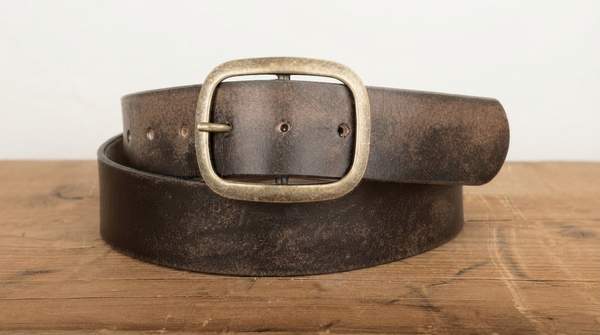
Patina is the visible character a natural surface develops through use and exposure over time—and in luxury goods, it is prized precisely because it cannot be manufactured. What many buyers mistake for wear is often the opposite: the gradual deepening of color, softening of texture, and enrichment of surface that distinguishes a well-lived-with object from a new one. The crucial point is that patina is not one process. Leather, metal, and wood each age by entirely different mechanisms, and understanding those differences tells you how an item will change and how to care for it.
What is Patina? The Art of Natural Aging
At its simplest, patina is the character that accumulates on a material through touch, sunlight, moisture, and everyday handling. Writers for leather-goods makers Will Leather Goods define it as "the visible character that develops through use and exposure over time," and note that as it develops, materials often become "deeper in color, softer to the touch, and more visually distinctive." The luxury appeal rests on a distinction: patina is not damage. The same source draws a practical boundary between the two—patina means richer color, a soft sheen from handling, natural variation, and gentle softening, while damage means deep cracking, mold or mildew, torn seams, structural weakness, and excessive drying or brittleness.
That distinction matters for owners deciding whether an aging surface needs repair. Damage, according to the same guidance, occurs when leather is neglected, improperly stored, excessively dried out, or pushed past what the material can reasonably withstand. Patina, by contrast, develops through ordinary, attentive use. Interior design writers describe natural patina as "an organic surface change caused by oxidation, wear, sun and humidity" that brings depth and tactile warmth to a space—framing it as something to plan for, not something to prevent.
Why would anyone want a surface to change? Because a patinated object carries evidence of its own history. Enthusiasts value it as character that "cannot be bought or manufactured," in the words of one leather-craftsman account, and that must instead be earned over time. It is this earned, unrepeatable quality that separates patina from both damage and from artificially aged finishes.
Comparative Patina Development Across Luxury Materials
The table below compares how patina forms across the three material classes most often encountered in luxury goods. Read it as a predictive framework: given the mechanism at work in each material, you can anticipate how a specific item—a vegetable-tanned bag, an unlacquered brass handle, an oak table—will change over years of use.
| Material | Primary Mechanism | Key Influences | Visual Outcome | Care to Encourage Patina |
|---|---|---|---|---|
| Vegetable-tanned leather (primarily full-grain) | Absorption of natural oils and moisture, combined with daily friction and handling | Touch, sunlight, oils from hands, friction, climate; dirt and weather exposure such as rain and wind | Deeper, richer color (sunlight may bring a golden shade), softer hand feel, gentle sheen on frequently handled areas, more visible variation within the hide | Simply use the item regularly; natural handling and skin contact supply the oils and friction that drive the process |
| Unlacquered brass and copper | Oxidation of the metal surface | Exposure to air, moisture, and other environmental factors; the specific environment dictates the rate and type of oxidation | Color changes across the surface, including verdigris formation on copper; rich surface variation. Metal components often show the most dramatic transformations of any material class | Leave the surface unlacquered and allow normal environmental exposure rather than sealing it |
| Hardwoods (oak and walnut) | Color change from the interaction of tannins with UV light and natural oxidation | Sunlight, air, and environmental exposure; characteristics vary by wood type and environment | Subtle shifts in color, developing depth and warmth; in some pieces, darker heartwood contrasts with lighter sapwood | Allow ordinary light and air exposure; gentle maintenance with soft, dry cloths, avoiding harsh chemicals or abrasive cleaners |
The comparison makes one thing clear: the three mechanisms barely resemble one another. Leather ages from the inside out, as the material absorbs what touches it—oils, moisture, sunlight. Metal ages chemically, reacting with the air and moisture around it. Wood ages photochemically and oxidatively, its tannins responding to light. Trade Mark Interiors, a design firm that plans patina into residential projects, groups all of these under "oxidation, wear, sun and humidity," but the leather row shows how much absorption and friction do the work in that material class, where oxidation is largely beside the point.
The table also explains why metal components often steal the show. One furniture-focused account observes that "metal components often show the most dramatic transformation, while quality woods develop subtle depth and warmth." If you want visible aging quickly, unlacquered brass or copper delivers it; if you want slow, quiet enrichment, wood and leather are the patient materials.
Patina Across Materials: Leather, Metals, and Wood
In leather, the process is intimate. Items that touch skin daily—belts, wallets, bags—pick up body oils and dirt that gradually alter their appearance, as one leather guide notes; rain can leave watermarks and sunlight can draw out a golden shade. Every variable the leather contacts leaves a trace. In metal, by contrast, the owner's touch matters less than the surrounding air and humidity, and the object's environment does most of the work. Wood sits between the two: light and air change its color over years, and in the case of furniture like oak and walnut tables, darker heartwood against lighter sapwood becomes more pronounced as the surface ages.
For leather, quality of material matters most. The full-grain, vegetable-tanned hides used in fine goods respond most visibly to handling, developing sheen where they are gripped and richness where they are exposed. Goods finished with coatings, or made of lower-grade leather, show less of this development.
The Unique Signature of Your Life: Why Patina is Personal
Here is what elevates patina from chemistry to character: it records a specific life. "Two people may purchase the same leather bag on the same day, yet ten years later the pieces will look completely different," the Misuri leather account explains. "Each will reflect the habits, journeys, and experiences of its owner." No factory can replicate that record, because no factory can live your decade.
This individuality also reframes care. Since patina emerges from use, the recommended approach to encouraging it is disarmingly simple: use the item. Regular handling supplies the oils, friction, and light exposure that drive the process, while also letting you notice early if something is drifting from patina toward damage—cracking, mildew, brittleness—before it becomes serious. The same source cautions that while many people search for ways to accelerate patina, patience remains the most effective approach.
For metals and wood, the personal element is environmental rather than tactile: your climate's humidity, your room's light, your cleaning habits all steer the outcome. Two identical brass fixtures in a coastal home and a dry inland one will diverge noticeably, because the environment dictates both the rate and the type of oxidation.
Embracing the Journey: Cultivating Patina in Your Valuables
The decision this evidence supports is straightforward: choose high-quality natural materials and engage with them regularly to foster a unique and desirable patina. Select full-grain vegetable-tanned leather, unlacquered brass or copper, and well-made oak or walnut when you want objects that improve rather than degrade; avoid sealed or coated finishes when you want the aging to occur. Then use the items, keep them clean with gentle maintenance—soft dry cloths, no harsh chemicals—and let time work.
The measurable indicator of success is the gradual development of richer color, softer sheen, and distinctive surface character on your items over time. When you can set a five-year-old bag beside a new one and see depth, luster, and personal history in the older piece—and no cracks, mildew, or structural weakness—you will know the aging process has done exactly what fine natural materials are supposed to do.
Sources
- What Is Leather Patina? Leather Develops Patina Over Time — Will Leather Goods
- Natural Patina for Sarasota Luxury Interiors — Trade Mark Interiors
- How Leather Develops Its Unique Patina Over Time — Misuri
- The Art of Patina: Aged Finishes Luxury Furniture — The Oblist
- Leather Patina – The Complete Guide to Leather Patina — Von Baer