Luxury packaging persuades through four coordinated dimensions: the materials a customer touches, the structure that shapes the unboxing ritual, the visuals that carry the brand's identity, and the digital layer that extends the experience online. Each choice is deliberate, and each aims at a psychological effect — reassurance of quality, emotional connection, and a sense of exclusivity that helps justify a premium price. This article turns those principles into a diagnostic framework you can apply to any piece of luxury packaging to see how its components work together.
The Engineered Allure: Why Luxury Packaging Matters
Luxury packaging is not a container added after the product is finished; it is treated by brand specialists as part of the product's meaning. The design agency Tether, which works across branding and industrial design in beauty and consumer goods, describes it as the art of transforming a brand's story, values, and ambition into a tangible object — "storytelling you can hold." At its best, the agency argues, packaging turns a product into an experience and the package into a chapter of the brand's story.
The commercial stakes are real. Fortis Solutions Group, a packaging producer, points to research on consumer choice suggesting packaging often determines whether a product ends up in the shopping cart. On that basis, it argues that investing in luxury packaging is about creating a compelling experience that draws customers in and leaves a lasting impression — not decoration. The same reasoning underlies the framework below: packaging design is a strategic lever, and its elements repay systematic evaluation rather than casual admiration.
Psychological Foundations: Crafting Perceived Value and Emotional Connection
Two psychological mechanisms do most of the work. The first is perceived value. When customers see high-quality packaging, they tend to associate it with a high-quality product, Fortis notes, making them more likely to invest in the brand. Importantly, the company frames this as a matter of perception of exclusivity rather than simply the expense of materials — a costly-feeling box is not the point; a carefully curated one is.
The second mechanism is emotional engagement. Exquisite packaging can form an emotional connection that Fortis links to increased loyalty and repeat purchases, with strongly attached customers sometimes becoming brand advocates. Curated packaging elements can also awaken fond memories or aspirations, enriching the overall brand experience. Rob Minnaar, writing for the packaging specialist IPL, adds the sensory dimension: tactile materials invite consumers to touch and feel the package, creating a sensory connection that signals craftsmanship, authenticity, and attention to detail. The framework that follows maps each design choice onto one or more of these mechanisms.
Dimension 1: Materiality and Tactile Experience
Material choices are the most immediate carriers of perceived quality. Textured paper adds depth and sophistication, Minnaar explains, and its tactile nature denotes craftsmanship — the surface itself becomes evidence of care. Metallic foils in gold, silver, or other shades work differently: they lend glamour and suggest opulence and extravagance, and Minnaar observes that brands choosing foils typically aim to communicate exclusivity, prestige, and value.
Practitioner guides extend the vocabulary beyond paper stock. A design guide from Expert Custom Boxes lists custom ribbons, velvet finishes, gold and silver leaf, wax seals, custom inserts, and personalized notes among the details that can also elevate a gift-giving experience. The principle these examples share is that luxury materials are chosen for what they make the customer feel — invited to touch, reassured of authenticity, or flattered by personal attention — rather than for cost alone. When evaluating any package, ask what each surface asks the hand to do.
Luxury Packaging Diagnostic Framework
The framework below correlates concrete design elements with their intended psychological impact and their contribution to exclusivity. To use it, examine a package dimension by dimension: identify which elements are present, then read across to the psychological effect each is designed to produce, and finally judge whether the elements reinforce one another into a coherent impression or pull in different directions.
| Dimension | Design element | Intended psychological impact | Contribution to exclusivity |
|---|---|---|---|
| Material & Tactility | Textured paper; velvet finishes; gold or silver leaf | Sensory connection; perceived craftsmanship, authenticity, attention to detail (IPL Packaging) | Touch invites inspection, signaling care in production |
| Material & Tactility | Metallic foils | Glamour suggesting opulence and extravagance (IPL Packaging) | Communicates prestige and value |
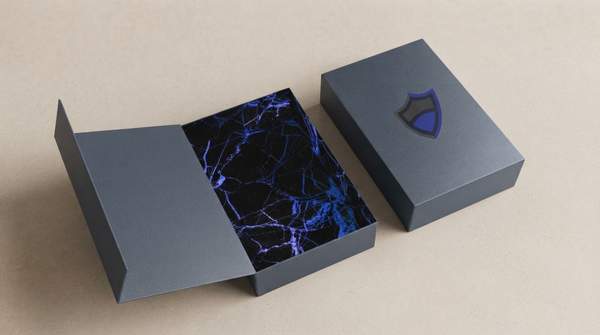
| Structural Design & Unboxing Ritual | Magnetic closures; custom inserts; ribbons; wax seals | Slowed reveal; sense of discovery and gift-like presentation (Expert Custom Boxes) | Unboxing becomes a ceremony the customer savors |
| Visuals & Branding | Curated design elements aligned to brand story | Emotional connection, memories and aspirations; perceived high product quality (Fortis Solutions Group) | Coherence across cues builds a perception of exclusivity |
| Digital & Social Engagement | Digital product passports; QR-linked augmented reality | Extended brand engagement; product demonstrations; "physical-digital extension of brand equity" (Bain & Company) | Packaging becomes a durable touchpoint rather than disposable wrapping |
Two readings of the matrix matter. A single element — a foil stamp, say — produces one impression; a package that layers textured paper, a magnetic closure, and a digital invitation produces a compounded one, because the customer is being persuaded through touch, ritual, and ongoing engagement at once. Conversely, a weak link is diagnostic: a velvet-lined interior paired with a generic digital experience suggests investment in the moment of sale but not in the relationship after it.
Dimension 4: Digital Integration and Social Engagement
The newest dimension extends the package beyond the shelf. Bain & Company's analysis of the luxury packaging sector reports that almost half of the luxury packaging experts it surveyed felt packaging can help create a digital experience that strengthens a luxury brand's value — through integration of digital product passports, and by allowing customers to access augmented reality experiences such as product demonstrations. In this paradigm, Bain argues, adding digital experiences re-elevates the container into a critical marketing touchpoint and a truly modern one.
Bain frames this as inseparable from sustainability: after an initial phase of restraint and alternative materials aimed at limiting harmful impact, industry leaders are exploring ways to make sustainable packaging a primary touchpoint for digital brand engagement, succeeding both in advancing corporate sustainability goals and in refocusing "impact" toward positive, innovative experiences that offer customers more value. Reporting in Beauty Packaging makes the media logic explicit: by using the pack as media, brands can create a long-term content journey, and because packaging lives in a multichannel brand world it must work in all spaces — including visually driven platforms where consumers research and compare before ever reaching a brand's website.
Strategic Packaging: A Lever for Brand Exclusivity and Engagement
The framework's conclusion for any brand or observer is the same: brands should strategically invest in multi-dimensional luxury packaging design — materiality, structure, visuals, and digital integration together — to enhance perceived value and foster deeper consumer connection. The evidence base here is analytical and practitioner-derived rather than a controlled trial, and it deliberately excludes cost estimates and manufacturing instruction; what it supports is a way of reading design intent, not a production guide.
Whether the investment works is checkable. Monitor consumer engagement metrics (e.g., social media shares of unboxing, brand loyalty, premium pricing acceptance) and market analysis reports on luxury packaging trends. Bain's expert survey offers one concrete benchmark to watch: the share of packaging professionals who see the package as a digital touchpoint. If that share keeps rising alongside unboxing content and acceptance of premium pricing, the four dimensions are doing their job.
Sources
- Luxury Packaging Design Principles & Examples — Tether
- 10 Ways Luxury Packaging Transforms Your Brand Experience — Fortis Solutions Group
- The Psychology of Luxury Packaging…Unwrapped — IPL Packaging: We Take Packaging Personally
- Luxury Packaging Design | A Comprehensive Guide — Expertcustomboxes
- Luxury Packaging: Resolving the Tension Between Creativity and Impact — Bain
- How Social Media Is Changing Packaging Design — Beauty Packaging