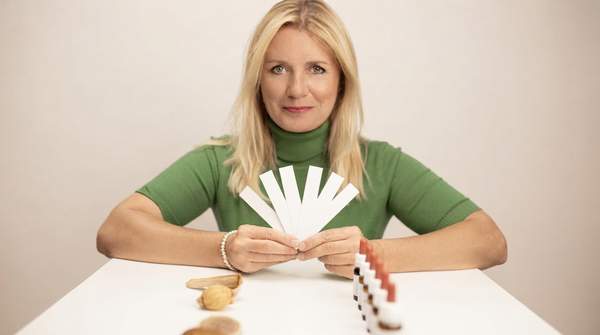
A bespoke fragrance is not a perfume you buy; it is a perfume you build with a perfumer. The process typically unfolds in three distinct phases—consultation, formulation, and refinement—over roughly two to three months, and the client's own preparation and communication shape the result as much as the perfumer's skill. It also comes in two very different price tiers: a personal, multi-session experience can cost around $600, while a fragrance developed for a brand runs to a $1,500 project fee and a total budget of $8,000 to $12,000.
The Journey to Your Signature Scent: An Overview
Bespoke perfumery differs from choosing a scent off a shelf because the brief comes from you. Perfumers describe the work as combining technical expertise with artistic sensibility—blending essences into something balanced—but they emphasize that it begins with listening. The perfumer's task, in the words of one artisan house, is to produce fragrances that "don't just smell good, but communicate evocative stories."
That storytelling starts with structure. The providers whose processes we examined break the work into sequenced phases with defined deliverables at each stage. A personal fragrance journey at Vetiver Aromatics, guided by perfumer Angie Andriot, unfolds over three "thoughtfully spaced sessions," while Wicked Good Perfume maps brand fragrance development onto a 90-day timeline with week-by-week milestones. Both models share the same underlying shape: discovery first, creation second, refinement last.
Your Bespoke Fragrance Creation Timeline
Sequencing the phases described by these two providers produces the following client-side roadmap. Durations are drawn from the 90-day brand development model; individual personal projects may vary with complexity and feedback.
| Phase | Typical Duration | Client Action | Perfumer Deliverable |
|---|---|---|---|
| Discovery and initial consultation | Weeks 1–2 (or Session 1) | Define goals, inspirations, preferences; share personality, mood, allergens or sensitivities | Consultation findings; initial mood board and fragrance direction |
| Formulation and exploration | Weeks 3–6 (or Session 2) | Experience the first iteration of the custom blend | A selection of sample blends based on the consultation |
| Refinement and finalization | Remaining weeks to about day 90 (or Session 3) | Give feedback and approve the final scent | Adjusted, finished fragrance ready to receive |
The pattern is consistent: consultation, sampling, final approval. What varies is the number of formal touchpoints—three booked sessions in the personal model versus an extended collaboration in the brand model, where the development is "not a one-and-done process" but extensive back-and-forth until the fragrance fits.
Phase 1: Discovery and Initial Consultation
The consultation is where the perfume's brief gets written. In the personal model at Vetiver Aromatics, the initial consultation explores your scent preferences, personality, mood, and the emotions you want the fragrance to evoke, walking through different notes and combinations to find the foundation of the scent. Allergens and sensitibilities are also considered so the finished fragrance is comfortable to wear.
In the brand model described by Wicked Good, discovery occupies the first two weeks and includes a consultation call to define goals and inspirations plus a review of brand identity and target audience, ending in an initial mood board and fragrance direction. In either case, expect lots of questions. Karen Gilbert, a UK-based perfume educator who creates bespoke fragrances, notes that the most difficult part of the work is understanding what the client wants—because often the client does not know either. The perfumer's early questions are what turn vague desire into a workable brief.
Phase 2: Formulation and Scent Exploration
With a brief in hand, the perfumer starts blending. In the 90-day model, formulation occupies weeks three through six, with perfumers building on the input gathered in discovery. For personal clients, this stage arrives as the second session: Andriot presents a selection of fragrance options based on the initial consultation, so the client experiences the first iteration of the custom blend rather than discussing it abstractly.
This is also where personalization can deepen. Vetiver Aromatics offers to tailor a scent based on personal elements a client wants to include—citing Enneagram type, astrological sign, or numerology as examples—combined with the perfumer's expertise and, in the provider's framing, intuitive guidance, to craft a sample blend that captures the client's essence. Clients who prefer to keep the brief strictly to notes, mood, and materials can shape the process accordingly; these elements are offered, not imposed.
Phase 3: Refinement and Finalization
The final phase converts the chosen direction into a finished fragrance. The personal model reserves a third session for this closing work, ensuring "every aspect of your scent is meticulously crafted and refined" across the spaced sessions. In the brand model, the remaining weeks of the 90-day window cover testing and adjustment until the fragrance is complete and, in that provider's words, "ready to launch in about 90 days."
For a personal client, the endpoint is simpler: approval of the final scent and delivery of the finished perfume or cologne. The practical takeaway is patience. Fragrance development, as Wicked Good puts it, "requires time, testing, and precision"—a compressed timeline is not part of either provider's process.
Understanding the Investment: Costs and Service Models
Bespoke perfumery splits into two service models with an order-of-magnitude cost difference. On the personal side, Vetiver Aromatics prices its bespoke fragrance design at $600 in total, broken into three $200 payments per session, with the first $200 booking the initial consultation. That figure covers the full three-session journey for an individual, not just the consult.
On the brand side, Wicked Good's custom fragrance development for private label or product lines carries a $1,500 project fee covering creative development, sourcing, and sampling, plus minimum order quantities of 15 pounds of raw fragrance or 1,000 ounces. The provider advises planning for a total budget of $8,000 to $12,000 per finished fragrance, or $1,500 for raw fragrance alone. These are examples from specific providers and should not be read as the whole market's pricing—other houses will set their own fees—but the spread illustrates the practical distinction: a personal signature scent is a hundreds-of-dollars commitment, while a brand fragrance is a five-figure product development project.
Your Role in the Creation Process
Your preparation matters because the perfumer can only interpret what you communicate. Before the consultation, think concretely about the scents you already love, the emotions you want the fragrance to evoke, and any materials that irritate you. Be ready to describe preferences even if you lack technical vocabulary—that is the perfumer's job to translate, not yours.
Equally important is managing expectations about what is possible. Gilbert gives a sharp example: a client who wants a light, transparent, watery floral that is long-lasting but insists on only natural materials will be disappointed, because that combination cannot be delivered. Perfumers see part of their role as educating clients on what is and is not achievable with the available materials. Expect the process to include some of this honest correction rather than unlimited yeses.
Finally, commit to the iterative structure. The multi-session format exists so feedback can be incorporated between stages; skipping or rushing the reflection between sessions forfeits much of what the fee buys.
Deciding on Your Signature Scent Journey
Consider commissioning a bespoke fragrance if you are prepared for a collaborative, multi-session process typically spanning about 90 days, with costs varying sharply between a roughly $600 personal experience and an $8,000-to-$12,000 brand development. The service suits readers who can articulate preferences, accept a perfumer's honest limits on what materials can do, and want involvement across several sessions rather than a single appointment.
Before booking, confirm you have a clear understanding of your budget and your desired level of involvement after reviewing the process and cost models above. That self-assessment—knowing whether you want the personal journey or a product development project, and what you can spend—is the measurable indicator of readiness for this commitment.
Sources
- Create a Custom Fragrance — Wicked Good Perfume
- Bespoke Fragrance Design — Vetiver Aromatics
- Artisanal Perfumery: The Craft of Bespoke Fragrances — Scent Company
- Creating Bespoke Fragrances — Karen Gilbert - Online Perfume School