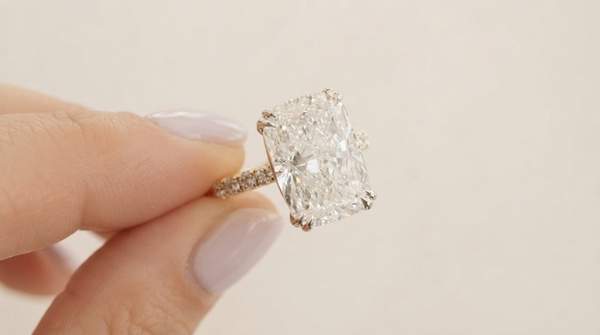
Lab-grown diamonds, also known as synthetic or cultivated diamonds, are increasingly recognized as a compelling alternative to their mined counterparts in the luxury jewelry market. These gems are created in controlled laboratory environments, replicating the natural processes that form diamonds deep within the Earth. As consumers seek more informed choices, understanding the specific technological advancements behind their creation, their fundamental properties, and their documented ethical and environmental benefits becomes crucial. This explainer delves into the two primary methods of lab-grown diamond synthesis—High Pressure-High Temperature (HPHT) and Chemical Vapor Deposition (CVD)—and examines how these diamonds compare to natural stones, offering insights into their role in sustainable luxury.
The High Pressure-High Temperature (HPHT) Method
The High Pressure-High Temperature (HPHT) method is one of the foundational techniques for creating lab-grown diamonds, directly mimicking the geological conditions under which natural diamonds form. This process involves subjecting a carbon source, typically graphite, to immense pressures and high temperatures within a specialized growth cell. According to the Gemological Institute of America (GIA), these conditions typically range from 5 to 6 gigapascals (GPa) of pressure and temperatures between 1300 and 1600°C.
To facilitate diamond growth, a metal catalyst—such as iron, nickel, or cobalt—is introduced into the growth cell alongside the carbon source. Under these extreme pressure and temperature conditions, the carbon atoms dissolve into the molten metal catalyst and then crystallize around a small diamond seed, forming a larger diamond. This method has been in use for decades and has seen significant advancements, leading to the production of high-quality lab-grown diamonds with desired clarity and quality. The entire process is carefully controlled to ensure optimal growth.The Chemical Vapor Deposition (CVD) Method
The Chemical Vapor Deposition (CVD) method offers an alternative approach to growing diamonds, differing significantly from the HPHT process in its environmental conditions. Instead of high pressure, CVD relies on a vacuum chamber and a carbon-rich gas mixture to facilitate diamond growth. The process begins with a thin slice of diamond, known as a "diamond seed," which is thoroughly cleaned to prevent imperfections from crystallizing into the new growth. This seed is often sourced from a high-quality HPHT-created diamond.
The diamond seed is placed inside a sealed chamber, which is then heated to moderate temperatures, typically ranging from 700 to 1300°C, and maintained at low pressures. Carbon-containing gases, such as methane, are introduced into the chamber. Energy, often in the form of microwaves, breaks down the molecular bonds of the carbon rich gas, allowing carbon atoms to deposit layer by layer onto the diamond seed. This gradual deposition process typically takes two to four weeks to produce a diamond. The CVD method allows for customization of size, shape, cut, and design, offering flexibility that is rarely available with mined diamonds.Physical and Chemical Properties: Lab-Grown vs. Mined Diamonds
A crucial aspect of lab-grown diamonds is their fundamental identity with natural diamonds. Lab-grown diamonds possess the same chemical makeup, physical, and optical properties as their natural counterparts. Both types are composed of pure carbon, exhibiting sp³ bonding and a cubic crystal structure. This identical composition means they share the same strength, hardness, brilliance, and fire.
Because of these identical properties, distinguishing lab-grown diamonds from natural diamonds can be challenging for trained gemologists using standard gem-testing equipment, as noted by the GIA. Specialized equipment is often required to identify them. While the core properties are the same, the growth processes can leave subtle internal characteristics that allow for their identification. For instance, HPHT diamonds may exhibit certain color zoning or metallic inclusions, while CVD diamonds might show specific growth patterns or infrared absorption features. However, these distinctions require advanced gemological analysis, underscoring that lab-grown diamonds are not imitations like cubic zirconia or synthetic moissanite, but rather actual diamonds.Ethical Considerations of Lab-Grown Diamonds
The ethical sourcing of diamonds has become a significant concern for consumers, driving the appeal of lab-grown alternatives. Lab-grown diamonds are often promoted as an ethically sourced option because their production avoids the social and labor issues historically associated with traditional diamond mining. This includes concerns about conflict diamonds, which are diamonds mined in war zones and sold to finance insurgencies. By choosing a lab-created stone, consumers can opt for a gem that sidesteps many of these challenges, aligning with contemporary values of sustainability and ethics, as highlighted by RockHer.
However, experts caution that ethical comparisons should remain balanced. Many modern diamond mines are increasingly adhering to strict environmental and labor regulations. This means that the ethical differences between lab-grown and mined diamonds can vary significantly depending on the specific source of the natural diamond. While lab-grown diamonds offer a clear chain of custody and are free from the historical baggage of conflict diamonds, the ethical landscape of the natural diamond industry is evolving, with many producers implementing responsible sourcing practices.Environmental Impact: A Comparative Overview
The environmental footprint is another key factor distinguishing lab-grown diamonds from mined diamonds. Lab-grown diamonds are frequently presented as a more environmentally friendly choice due to their reduced impact compared to traditional mining operations. Mining natural diamonds is a resource-intensive process that involves excavating tons of rock and soil, consuming large amounts of energy and water, and potentially disrupting local ecosystems.
In contrast, lab-grown diamonds generally require far less land disturbance and water usage. They can also be produced using clean energy sources, further reducing their environmental footprint. While the production of lab-grown diamonds does require significant electricity to power growth reactors, the overall environmental benefits are often cited as a major advantage. For example, a lifecycle assessment published by the Diamond Producers Association reported that producing a one-carat natural diamond emits approximately 160 kg of carbon dioxide on average. The promise of sustainable, ethical luxury is a significant reason for the growing embrace of lab-grown diamonds, offering a gem that minimizes environmental and social challenges.
Choosing between lab-grown and mined diamonds involves weighing technological advancements, identical gemological properties, and evolving ethical and environmental considerations. Lab-grown diamonds, created through sophisticated HPHT and CVD processes, offer the same brilliance and durability as natural diamonds, providing a compelling option for those prioritizing ethical sourcing and reduced environmental impact. As the market continues to grow, understanding these distinctions empowers consumers to make informed decisions that align with their values and preferences in luxury jewelry.