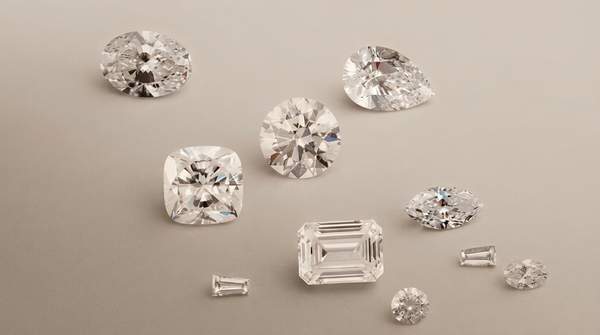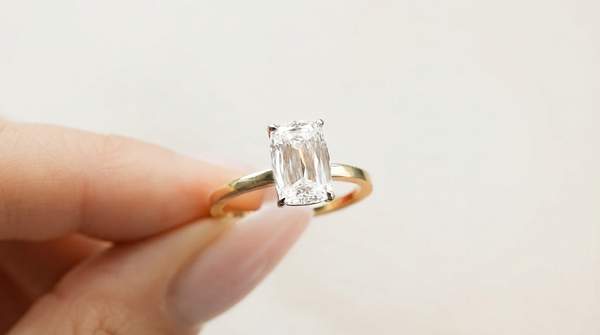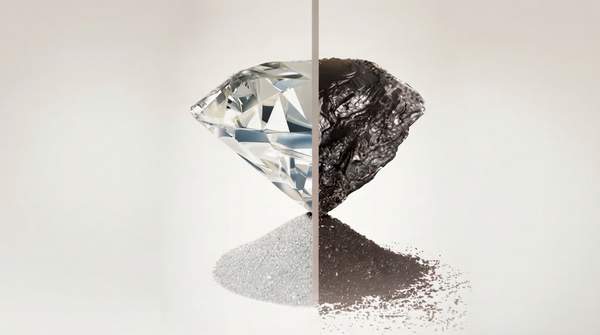
For most buyers, the choice between a lab-grown and a natural gemstone comes down to one honest trade-off: natural stones carry rarity, history and stronger resale prospects, while lab-grown stones deliver the same chemistry and appearance at a lower price with a cleaner sourcing story. A lab-grown diamond is not a simulant like cubic zirconia — it is a real diamond, grown in weeks instead of formed over geological time. The same is true of lab-grown emeralds, which match their mined counterparts in composition and hardness. Understanding where the two paths genuinely diverge, and where they do not, is what turns a confusing purchase into a confident one.
Lab-Grown vs. Natural Gemstones: An Introduction
Natural gemstones are minerals that formed deep within the Earth over immense spans of time and were then located, extracted and cut. Lab-grown gemstones are created in controlled environments that replicate those natural conditions, producing crystals with the same chemical composition and crystal structure as their mined equivalents. The distinction is origin, not substance: a lab-created emerald is chemically identical to a natural one, as gemological comparisons confirm.
This matters because the market has changed quickly. Retailers such as RockHer, Brilliant Earth and Rêve Diamonds now present lab-grown stones as mainstream options rather than niche alternatives, and industry commentary from CaratX describes a broader shift in which younger buyers increasingly treat jewelry as personal expression rather than a status marker. That shift makes the lab-versus-natural question relevant across the whole counter, from engagement diamonds to colored statement pieces.