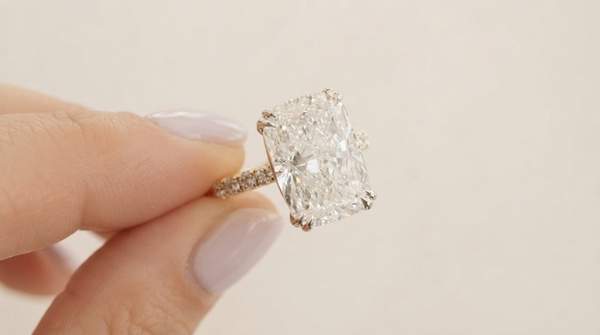
This comprehensive jewelry making techniques and materials guide demystifies the craft, revealing that transforming raw components into wearable art is an accessible pursuit with learnable skills. The perceived complexity of creating jewelry, from a simple beaded bracelet to an intricate cast ring, often hides a foundation of straightforward techniques where success lies in execution and material choice.
What Is Jewelry Making?
Jewelry making encompasses a vast spectrum of complexity, from fundamental techniques like stringing beads to specialized disciplines such as traditional silversmithing, stone setting, and casting. This art and craft creates personal adornments—necklaces, bracelets, earrings, and rings—by marrying aesthetic design with material properties to produce objects of beauty and durability.
While ancient techniques like metallurgy and lapidary work remain central to fine jewelry, modern methods have expanded creative possibilities. Today, artisans employ computer-aided design (CAD), 3D printing, metal clay, and sustainable composites, blending tradition and innovation to create an incredible diversity of styles and forms.
Traditional Jewelry Making Techniques Explained
Foundational techniques, focusing on assembling components with wire, cord, and basic findings, are cornerstones for many common jewelry styles. Mastering these methods opens a wide range of projects, each requiring precision and correct tools for a professional, secure finish.
Step 1: Creating a Basic Wire Loop — This is a fundamental skill for making earrings and connecting beaded elements. Using eyepins (wires with a pre-made loop on one end) or headpins (wires with a flat head on one end), the process is systematic. First, thread your desired beads onto the pin. According to a guide on Scribd, you should then use wire cutters to trim the excess wire, leaving approximately 1cm above the last bead. Next, grip the wire just above the bead with flat-nose pliers and bend it to a 90-degree angle. Finally, switch to round-nose pliers, grasp the very end of the wire, and roll it towards the 90-degree bend to form a clean, closed loop.
Step 2: Stringing with Beading Wire — For creating durable necklaces and bracelets, flexible beading wire like Tiger Tail or Beadalon is an industry standard. To begin, cut a length of wire longer than your intended piece. Thread a crimp bead and one half of a clasp onto one end. Loop the wire back through the crimp bead and pull it snug against the clasp. Use a crimping tool or flat-nose pliers to squash the crimp bead firmly, securing the clasp. You can then thread your beads onto the wire. Once your design is complete, repeat the crimping process on the other end with the second half of the clasp.
Step 3: Using Elastic Cord for Stretch Bracelets — Stretch bracelets offer ease of wear without the need for a clasp. For this, a material like Stretch Magic is ideal. Simply string your beads onto the elastic cord directly from the spool to prevent them from falling off. Once you have reached the desired length, slide the beads down, leaving a few inches of cord at each end. The crucial step is the knot. An Overhand Knot or a more secure Dressmaker's Double Knot is recommended. After tying the knot tightly, you can add a drop of strong adhesive for extra security before trimming the excess cord.
Step 4: Crafting an Adjustable Slip Knot — For casual necklaces and bracelets made with leather or cotton cord, a slip knot allows the wearer to adjust the length. This technique creates a clean, functional finish. Lay your cord out, and to create the first knot, take the right-hand end and tie it around the left-hand strand. Then, take the left-hand end and tie it around the right-hand strand. When you pull on the knots, they should slide along the opposing cord, allowing the piece to be easily loosened or tightened.
Common Jewelry Making Materials and Their Properties
Selecting appropriate materials and tools is critical for any jewelry project's success. A well-equipped workspace ensures precision and safety, with a basic setup supporting many starter projects, though advanced techniques require specialized equipment. Beyond tools, understanding the properties of stringing materials, wires, and findings ensures the final piece is beautiful and durable.
According to a resource from dummies.com, a foundational toolkit for beading and jewelry assembly should include:
- Wire Cutters: For clean, precise cuts on various types of wire.
- Pliers: A set including round-nose (for forming loops), flat-nose (for gripping and making angled bends), and chain-nose pliers is standard.
- Crimping Tool: Specifically designed to secure crimp beads for a strong, professional finish.
- Beading Cord or Thread: This includes materials like nylon thread (Nymo, Silamide), flexible steel wire (Tiger Tail, Beadalon), and elastic cord (Stretch Magic).
- Findings: This broad category includes essential components like clasps, earwires, headpins, eyepins, and jump rings that connect the different parts of the jewelry.
- Adhesive: A strong, clear-drying glue like E-6000 is often used to secure knots or attach elements that cannot be mechanically joined.
Advanced Techniques and Key Considerations
Specialized skills like stone setting, casting, and working with metal clay require dedicated tools and practice, representing a significant step up in complexity and investment beyond basic assembly. As noted by an Interweave guide, stone setting precisely secures gemstones in metal, casting pours molten metal into molds for complex shapes, and metal clay, a modern material of fine metal particles, water, and organic binder, is shaped like clay then fired into a solid metal object.
Personalization, often achieved by incorporating birthstones or their crystal equivalents, and precise sizing are critical details as skill progresses. A technically well-made piece fails if it doesn't fit properly. Recommended lengths, such as 7 to 7.5 inches for a woman’s bracelet and 14 to 16 inches for a standard choker necklace, provide crucial starting points for creating wearable, comfortable pieces.
Researchers have explored optimizing eco-friendly jewelry design, as detailed in a Nature study describing an integrated eco-innovation approach using artificial neural networks. This focus on material science and responsible production signals a forward-thinking shift in the craft, redefining what it means to create a modern heirloom and highlighting the industry's increasing focus on innovation and sustainability.
Frequently Asked Questions
What are the most essential tools for a beginner?
For a beginner focusing on beading and wirework, the most essential tools are a pair of wire cutters, round-nose pliers for making loops, and flat-nose pliers for gripping and bending wire. A ruler, a bead organizer, and a selection of basic findings like clasps, earwires, and headpins will round out a versatile starter kit.
How do I choose the right length for a necklace?
Standard necklace lengths for women range from 14-inch chokers to 35-inch or longer opera necklaces. The 17- to 19-inch princess length, sitting near the collarbone, is a common and versatile option. Always measure or consult a sizing chart for a precise fit, as length depends on the wearer's size and desired style.
What is the best way to finish a stretch bracelet?
The most secure way to finish a stretch bracelet is with a strong knot, such as a surgeon's knot or a dressmaker's double knot. After tying the knot as tightly as possible, apply a small dot of strong, flexible adhesive (like E-6000) to the knot for added security. Once the glue is dry, trim the excess cord close to the knot and hide it inside an adjacent bead if possible.
The Bottom Line
From stringing a beaded necklace to the complex artistry of casting metal, jewelry making offers unique ways to transform raw materials into finished pieces, appreciating the intersection of form and function. By starting with foundational skills and quality materials, anyone can explore this rewarding and multifaceted craft.