In recent years, the number of people undergoing tattoo procedures has rapidly increased, transforming a once-stigmatized practice into a widely embraced form of personal expression. Widespread adoption has shed much of the negative symbolism previously associated with body art, marking a significant cultural shift.
Historically, body modifications were often linked to specific subcultures or carried negative connotations. However, these practices are now increasingly mainstream, celebrated as diverse forms of personal identity across society.
The cultural landscape will likely continue to embrace diverse forms of personal aesthetic expression, further blurring the lines between traditional and unconventional beauty and solidifying body art's place in mainstream culture.
Defining the Art: Piercings and Tattoos
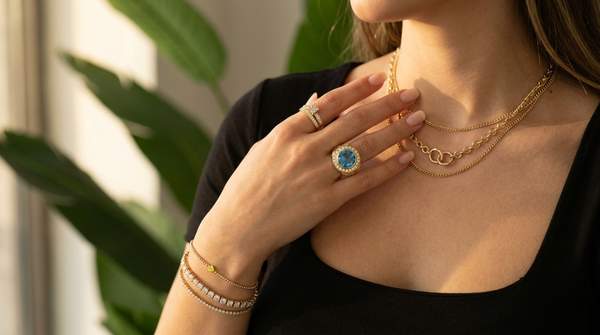
Body piercing, a practice with ancient roots, involves the penetration of the body using jewelry. These adornments are commonly placed in areas such as eyebrows, ears, lips, tongue, nose, and navel, according to PMC. Each location offers a distinct canvas for personal expression.
Tattooing, another form of body modification, creates decorative designs through the injection of indelible dye into the skin using multiple needles. While distinct in their methods, both piercing and tattooing share the common purpose of altering the body's surface for aesthetic, symbolic, or personal reasons, as detailed by PMC. These practices allow individuals to carry personal narratives or affiliations on their skin.
Ancient Roots: Beyond Modern Trends
Beyond contemporary trends, body modification boasts a long and culturally significant history. In many indigenous tribes, for instance, stretched earlobes represented wisdom, status, and spiritual growth, according to Tribu. The practice served as a profound community-bound cultural marker.
The historical context reveals that body modification is not a modern invention but an ancient, universal human practice. It has been deeply intertwined with identity, community, and spiritual belief across various cultures for millennia, predating modern subcultures.
From Rebellion to Mainstream: A Cultural Journey
The rapid increase in tattoo procedures suggests that what was once a counter-cultural statement has become a mainstream aesthetic, challenging the very definition of 'rebellion' in modern society. The shift indicates a broader societal acceptance of permanent body art.
While indigenous tribes used body modifications like stretched earlobes to signify wisdom and status, the contemporary surge in tattoos indicates a societal pivot where personal identity, rather than collective meaning, now drives the embrace of permanent body art. The tension highlights the evolving nature of body modifications.
The journey of body art from fringe movements to mainstream fashion reflects a societal evolution towards greater individual freedom and aesthetic diversity. The transition has largely overridden the negative symbolism once associated with these practices.
The Enduring Power of Personal Expression
Body modifications continue to matter as powerful tools for self-definition. They serve as a means of marking personal milestones, asserting identity, and expressing individual narratives in an increasingly complex world.
For many, the choice to adorn or alter the body is a deeply personal statement. It allows individuals to curate their appearance in a way that aligns with their unique sense of self, celebrating individuality over strict aesthetic conformity.
Common Questions About Body Art
What is the oldest known body jewelry?
The oldest known body jewelry can be traced back over 5,300 years. Ötzi the Iceman, a mummified individual discovered in the Alps, possessed both earlobe piercings and tattoos. The archeological finding highlights the ancient origins of body adornment practices across diverse cultures, as reported by El País.
More Than Skin Deep: A Legacy of Meaning
Ultimately, body modifications are a testament to humanity's enduring desire to adorn, define, and express itself through the canvas of the body. They represent a fundamental shift in societal perceptions of permanence and identity.
The cultural mainstreaming of practices like tattooing has paradoxically diluted their power as symbols of rebellion. Simultaneously, this shift has elevated individual aesthetic choice to a new cultural norm, fundamentally altering how society views personal adornment.
The global body modification industry, representing diverse forms of personal adornment, actively caters to an evolving demand for aesthetic choice, further integrating these practices into mainstream identity.