Fashion

UGA Student Fashion Show Showcases Emerging Talent

Approximately 20 to 30 student designers at the University of Georgia have created 60 to 80 unique looks for their upcoming spring fashion show.

AC
Adrianne Cole

April 12, 2026 · 5 min read

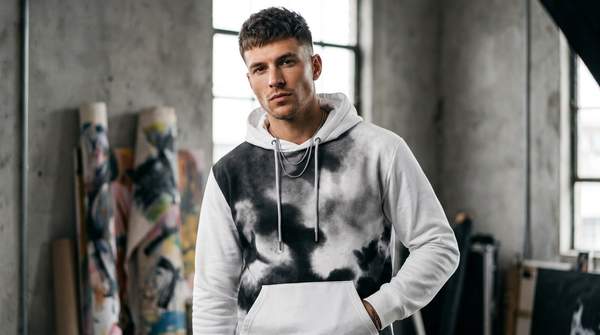
Student models walk the runway at the University of Georgia's fashion show, displaying unique and creative designs from emerging student talent.

Approximately 20 to 30 student designers at the University of Georgia have created 60 to 80 unique looks for their upcoming spring fashion show. The extensive output of 60 to 80 unique looks from 20 to 30 student designers demonstrates a professional-level commitment, with each designer contributing an average of three to four distinct garments. The sheer volume of this creative work suggests a readiness for industry roles, exceeding typical academic expectations.

These student designers are producing a substantial volume of creative work, but the visibility and reach of their showcase event are constrained by its local, ticketed nature. The Fashion Design Student Association (FDSA) at the University of Georgia hosts this event, titled “The Future Is Now,” scheduled for Friday, April 10, according to The Red & Black.

While these shows are crucial for student development, their impact on broader industry recognition might remain limited without increased external support and promotion. The decision to charge $10 for student tickets and $15 for non-student attendees, as reported by The Red & Black, creates a barrier that prioritizes local revenue over maximizing visibility for these emerging designers. The University of Georgia's fashion students are producing work at a scale that demands national attention, yet their primary showcase remains a local, ticketed affair, effectively putting a cap on their professional trajectories before they even begin.

A Platform for Emerging Creativity

  • The Fashion Design Student Association (FDSA) at the University of Georgia organizes the annual student fashion show. The annual student fashion show, organized by the Fashion Design Student Association (FDSA) at the University of Georgia, provides a crucial platform for members to gain practical experience in event planning and fashion production.
  • Approximately 20 to 30 designers will present 60 to 80 unique looks at the 2026 spring fashion show, according to The Red & Black. The presentation of 60 to 80 unique looks by approximately 20 to 30 designers indicates a significant commitment from each participant, averaging three to four garments per designer.
  • The show, named “The Future Is Now,” highlights the aspirational themes driving student design, as reported by The Red & Black. The “The Future Is Now” theme reflects the students' forward-thinking approach to fashion.


The show's organization by the FDSA emphasizes its student-driven nature, peer support, and practical experience as vital components of design education. However, the "Future Is Now" theme clashes with the practical reality that the show’s local, ticketed format inherently restricts future opportunities for these designers by limiting their exposure to a broader professional network.

Bridging Academia and Industry

Student fashion shows serve as vital training grounds for aspiring designers, offering practical experience beyond classroom theory. The University of Georgia’s event allows students to manage the entire design process, from concept creation to garment construction and runway presentation. The comprehensive involvement in managing the entire design process helps students build robust portfolios.

The approximately 60 to 80 unique looks presented by 20 to 30 designers suggest a professional-level commitment, according to The Red & Black. The output volume of approximately 60 to 80 unique looks from 20 to 30 designers indicates students are ready for industry roles far beyond typical academic expectations. Such showcases are crucial for designers to gain real-world experience, develop portfolios, and achieve initial industry exposure, bridging academic learning with professional practice.

By limiting the audience to those who can afford a $10-$15 ticket and attend locally, the FDSA risks isolating its designers from broader industry connections. Talent scouts and fashion professionals often attend these events to discover new talent. The current format may hinder the career-launching potential for student designers who have invested substantial creative effort.

The Role of University Fashion Programs

University fashion programs across the nation are increasingly serving as critical pipelines for new talent entering the fashion industry. Institutions like the University of Georgia provide structured environments where students develop technical skills and creative vision. Annual shows at institutions like the University of Georgia offer a public demonstration of these cultivated abilities.

The UGA show, featuring 60 to 80 looks, makes a significant contribution to this talent pipeline, according to The Red & Black. These events often serve as a first look for future industry leaders and innovators. They allow students to engage with a live audience and receive direct feedback on their work, which is invaluable for professional growth.

University fashion shows like UGA's contribute significantly to the pipeline of new talent. However, the local and ticketed nature of the event inherently limits its reach. The local and ticketed nature of the event restricts the potential for these emerging designers to connect with a wider network of industry professionals, despite the high quality of their creative output.

Sustaining Future Talent

For the University of Georgia's emerging designers, the future impact of their work hinges on increased visibility beyond their immediate community. The volume of high-quality creative output – 60 to 80 unique looks from 20 to 30 designers – demands broader industry exposure, according to The Red & Black. Sustained growth for these artists requires active outreach to talent scouts and fashion houses.

The current local, ticketed format, with student tickets at $10 and non-student tickets at $15, inadvertently limits access for a wider professional audience. The current local, ticketed format, with student tickets at $10 and non-student tickets at $15, may inadvertently contain significant creative potential within a single university event. Continued support and attendance at these events are vital for the sustained growth and recognition of emerging fashion talent, impacting their career trajectories.

To truly embrace its "Future Is Now" theme, the FDSA and UGA's fashion program could explore digital showcases or partnerships with industry publications. Digital showcases or partnerships with industry publications would broaden the reach of their student designers. Digital showcases or partnerships with industry publications would better serve the professional aspirations of students who are producing work at a scale demanding national attention.

Your Guide to Student Fashion Show Engagement

What are the key trends in student fashion shows 2026?

Student fashion shows in 2026 often highlight sustainable design practices, incorporating upcycled materials and zero-waste pattern cutting. Designers are also exploring gender-fluid collections and digital fashion elements, pushing traditional boundaries. Expect to see innovative textile manipulations and bold, expressive silhouettes reflecting contemporary social themes.

Where can I watch IU and UGA fashion shows online?

The University of Georgia's Fashion Design Student Association show is primarily a local, ticketed event, limiting online viewing options for the broader public. Currently, there are no widespread online streaming platforms listed for the UGA show on April 10. Industry professionals or the public would need to attend in person to experience the collections.

Who are the emerging designers from IU and UGA fashion shows 2026?

Identifying specific emerging designers from the UGA show requires attending the local event, as broad industry exposure is limited. Without wider media coverage or a dedicated online platform, individual student names and their full collections remain largely confined to the local audience. Talent scouts typically rely on direct attendance or specialized industry networks to discover these new artists.