A bathtub can stay in a bathroom for years without anyone taking an actual bath. It gets used for quick morning showers, occasionally collects shampoo bottles along the edge, and takes up space in a room where everyone has settled into the same daily routine.
If that sounds familiar, the bathtub may no longer be the fixture that makes the most sense for your household. Metro Bath Conversions specializes in bath and shower improvements for homeowners in Omaha and surrounding areas, making a tub-to-shower conversion worth considering when your bathroom no longer suits how you use it.
When the Bathtub No Longer Earns Its Space
There are good reasons to keep a bathtub, especially in a household where someone enjoys soaking or needs a tub for bathing children. But a bathtub that consistently serves as a standing shower deserves a second look.
Think about what happens every morning. You step over the tub wall, pull the shower curtain into place, and try to keep water from escaping onto the floor. The bathtub is technically performing its job, but its shape and height were designed to accommodate bathing as well as showering.
For a household that rarely uses the bathing function, a dedicated shower could be a better match. Instead of preserving a fixture for a routine that no longer exists, you can consider a layout centered on the way you actually bathe.
The decision is particularly relevant when an existing tub is worn, difficult to clean, or visually out of step with the rest of the bathroom. Replacing it gives you an opportunity to address those concerns together rather than treating each as a separate inconvenience.
A Dedicated Shower Changes the Daily Experience
A tub-to-shower conversion changes the function of one of the bathroom’s largest fixtures. Depending on the room’s dimensions and the selected configuration, that can influence how you enter the shower, move within the bathing area, and manage water during everyday use.
Consider the difference between showering inside a bathtub and stepping into a purpose-designed shower. The latter can be arranged around showering itself, with the base, walls, enclosure, and fixtures working together for that particular use.
Entry height is one consideration. A bathtub requires users to step over its side, while shower bases come in different threshold configurations. The actual entry arrangement available for a conversion depends on the selected system and what the existing bathroom can accommodate.
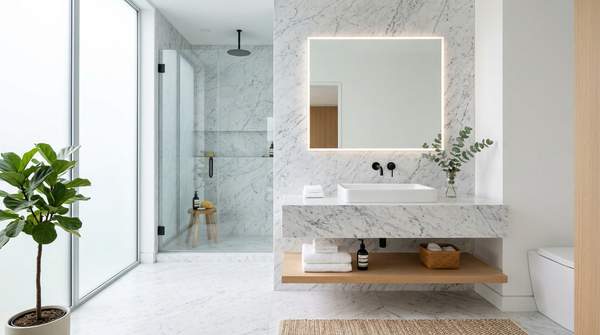
There is also the visual effect. A bathtub often creates a strong horizontal shape across the lower part of the room, while a dedicated shower may present a different balance of walls, enclosure, and open space. It will not automatically make a small bathroom larger, but a carefully chosen design can change how the existing room feels.
Those are practical reasons to consider the conversion. You are looking at how the bathroom could function on an ordinary Tuesday morning, not simply how impressive it might appear in a remodeling photograph.
Your Existing Bathroom Sets the Starting Point
A conversion needs to make sense within the space already available. The bathtub’s location, the surrounding walls, plumbing arrangements, and bathroom layout all influence which shower configuration is practical.
That is one reason a specialist’s involvement matters. A homeowner might know that a walk-in shower looks attractive, but the existing room still determines what can be installed and how the components should fit together.
Metro Bath Conversions advertises professional shower installation alongside its broader bathroom remodeling service. The company emphasizes personalized design, communication, and professional workmanship, giving homeowners a local remodeling service to discuss the changes they have in mind.
The aim is to develop an appropriate replacement for the existing bathing area. A conversion may concentrate on the tub and shower space, while additional remodeling work would involve a wider project scope.
Keeping those possibilities separate is useful when deciding what you want to accomplish. You may be perfectly happy with the sink, vanity, flooring, and overall room layout. In that case, the most compelling improvement could be concentrated in the bathing area rather than an unnecessary overhaul.
A New Shower Should Be Pleasant to Live With
The appearance of a shower gets plenty of attention during remodeling, but its surfaces also become part of a homeowner’s regular cleaning routine. Wall materials, corners, fixtures, and the enclosure all affect how the space is maintained.
Metro Bath Conversions identifies American-made Sentrel bath and shower products among the materials it uses. Sentrel manufactures composite shower-wall systems designed to reproduce the appearance of natural stone while offering an alternative to conventional grouted tile.
For someone replacing an older bathtub and surround, that combination may be appealing. A stone-inspired wall finish can give the new shower a distinctive appearance without requiring the same grout-cleaning routine associated with traditional tiled walls.
The benefit has a practical limit: low-maintenance surfaces still require cleaning. Sentrel recommends gentle, nonabrasive cleaners and appropriate care for its panels, while seals and other shower components still need attention.
That makes material selection part of the long-term conversion decision. A shower should appeal to you when the installation is finished, but it should also suit the amount and type of maintenance you are comfortable doing afterward.
Think About the Enclosure, Not Just the Shower Walls
It is easy to picture the new walls and overlook the enclosure that completes the bathing area. Yet the enclosure can influence the bathroom’s appearance, how the shower is entered, and how water is contained during use.
Metro Bath Conversions lists shower enclosure installation as a separate service, with an emphasis on functional designs and styles ranging from modern to traditional. That gives homeowners another relevant element to consider when discussing a shower replacement.
For example, a bathroom with a simple, understated design may call for an enclosure that does not visually dominate the room. A more traditional bathroom may benefit from an enclosure style that feels consistent with the surrounding finishes.
Practical fit is equally important. The available space around the shower, the entry opening, and nearby fixtures can affect which enclosure arrangement makes sense.
Rather than treating the shower walls, base, and enclosure as unrelated purchases, consider how they will function together. Their proportions and arrangement will determine much of the experience of using the converted space.
Keeping a Bathtub Is Still a Valid Decision
A tub-to-shower conversion is most persuasive when it responds to a real change in household needs. Removing a bathtub simply because walk-in showers look fashionable may not be sensible if the tub remains useful.
A family with young children, for example, may still rely on its bathtub regularly. Someone who enjoys long baths may also prefer to keep that option, even if showers are more common during the week.
There can also be broader considerations if the bathroom contains the home’s only bathtub. Future household needs and personal preferences deserve attention before deciding to remove it.
Metro Bath Conversions provides bathroom remodeling and shower installation services, so an inquiry does not have to begin with an absolute decision to remove the tub. You can explain how the existing space is used and what you would prefer, then discuss a suitable project scope.
A worthwhile bathroom change should improve your own experience of the room. The appeal of a conversion is strongest when the dedicated shower serves your daily routine better than the existing bathtub.
Frequently Asked Questions
Is replacing a bathtub with a shower suitable for every bathroom?
No. The decision depends on the room’s physical arrangement and the household’s bathing needs. Metro Bath Conversions offers bath and shower remodeling services, but the appropriate conversion scope depends on the existing space and intended result.
Does a tub-to-shower conversion require remodeling the entire bathroom?
Not necessarily. The replacement may focus on the bathing area, although the actual work depends on the existing installation and desired configuration. Metro Bath Conversions also advertises broader bathroom remodeling for homeowners considering additional changes.
Can a converted shower have easier-to-clean walls?
Yes, appropriate wall materials can reduce certain maintenance tasks. Metro Bath Conversions identifies Sentrel bath and shower products, whose grout-free wall systems are designed for relatively simple routine cleaning with suitable products.
Can the shower enclosure be considered as part of the design?
Yes, the enclosure influences both appearance and access to the shower. Metro Bath Conversions advertises shower enclosure installation, making it reasonable to discuss the enclosure alongside a proposed shower improvement.
Give Your Bathroom a Fixture You Actually Want to Use
A bathtub does not become more useful simply because it has always been there. If your household consistently showers and rarely takes baths, a dedicated shower could be a more satisfying way to use the space.
Metro Bath Conversions works with Omaha-area homeowners on bath and shower improvements, including professional shower installation and enclosure work. To find out how your existing bathing area might be updated, ask about a shower conversion and describe the bathroom you would like to have.