At Walmart, shoppers can now find lab-grown diamond jewelry discounted by up to 71%, with some pieces starting as low as $79, signaling a significant shift in how these items are perceived and sold, according to TheStreet. Widespread availability and aggressive pricing underscore the mainstreaming of lab-grown diamonds, making them accessible to a broader consumer base in 2026.
However, while lab-grown diamonds are becoming widely available and affordable, their plummeting wholesale prices are eroding their perceived value as a luxury good. This tension between accessibility and diminishing intrinsic worth is reshaping consumer expectations.
The jewelry market is likely to bifurcate further, with natural diamonds retaining their scarcity-driven value while lab-grown diamonds become a high-end fashion accessory, requiring consumers to adjust their expectations of 'diamond' ownership.
The Steep Decline in Value
Wholesale prices for loose lab-grown diamonds fell another 14% year over year in Q1 2026, according to JCKonline. Consistent depreciation indicates a market where these gems are increasingly behaving like a manufactured commodity rather than a rare jewel.
- Wholesale prices for loose lab-grown diamonds fell another 14% year over year in Q1 2026, according to JCKonline.
- Wholesale lab-grown diamond prices have fallen an average of 13% year over year in Q2 2026, according to JCKonline.
A sustained downward trend in wholesale pricing highlights a fundamental re-evaluation of lab-grown diamonds. The market appears to be adjusting to the reality of their manufactured origin and unlimited supply.
Market Saturation and Specific Price Drops
The wholesale index for lab-grown diamonds is down a precipitous 96% since tracking began in 2018, according to JCKonline. The dramatic drop reflects a market overwhelmed by supply and rapidly eroding perceived value.
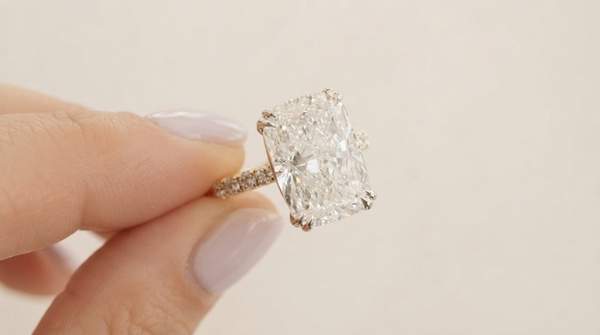
A three-carat VVS D color round lab-grown diamond sold for just $126 per carat in Q1 2026, which is 30% cheaper than in 2025, according to JCKonline. The specific transaction underscores that even high-quality, larger stones are not immune to the severe price deflation.
The burgeoning inventory levels are forcing prices down even for larger, high-quality stones, making them accessible to a broader market but also highlighting their diminishing scarcity. The 'diamond' in 'lab-grown diamond' is increasingly a misnomer for anything resembling a luxury good; as evidenced by Walmart's 71% discounts and prices as low as $79, these gems are rapidly becoming fashion accessories with little intrinsic value.
Oversupply Driving the Trend
The ratio of lab-grown diamond inventory to sales at U.S. jewelry retailers has climbed from high single digits in 2020 to nearly 50%, according to JCKonline. A significant increase in inventory relative to sales demonstrates a market flooded with product, inevitably leading to aggressive price reductions to move stock.
The oversupply scenario creates immense pressure on retailers to discount heavily, further accelerating the commoditization of lab-grown diamonds. The precipitous 96% drop in the wholesale index for lab-grown diamonds since 2018, coupled with a nearly 50% inventory-to-sales ratio, signals a market saturation that will force retailers to either drastically re-position or abandon the category entirely, as profit margins evaporate.
Retailers are now facing a challenge in maintaining profit margins as wholesale prices continue to fall and consumer demand shifts towards more affordable options. The market is struggling to reconcile the material's identity with its market reality, potentially confusing consumers about what a 'diamond' truly represents.
The Widening Gap with Natural Diamonds
A natural 1 carat D/VVS2 round brilliant diamond retails for around USD $4,600 in the United States, according to MadisonDia. The figure stands in stark contrast to the rapidly depreciating value of lab-grown diamonds, creating a clear distinction in the market.
The stark price disparity fundamentally redefines the concept of a 'diamond' for consumers, separating intrinsic value from perceived luxury and investment potential. The sale of a 3-carat VVS D color lab-grown diamond for just $126 per carat in Q1 2026 underscores that the market has fundamentally re-rated these stones from a luxury investment to a disposable commodity, challenging the very definition of a 'diamond' for consumers.
Consumers seeking lasting value and traditional luxury are likely to continue gravitating towards natural diamonds. Meanwhile, lab-grown diamonds are carving out a distinct niche as an accessible, fashion-forward alternative, especially with attractive retailer discounts in 2026.
By Q3 2026, retailers like Walmart, continuing to offer lab-grown diamond jewelry at prices as low as $79, will have solidified the perception of these gems as fashion accessories rather than valuable heirlooms, challenging the traditional definition of a diamond for a new generation of consumers.


